The Wheel of the Year: Embracing the Sacred Cycles of Nature
Finding Magic in the Changing Seasons
Throughout history, humans have looked to the cycles of nature for guidance, inspiration, and connection. The changing seasons remind us that life is not a straight path but a continuous cycle of beginnings, growth, transformation, release, and renewal.
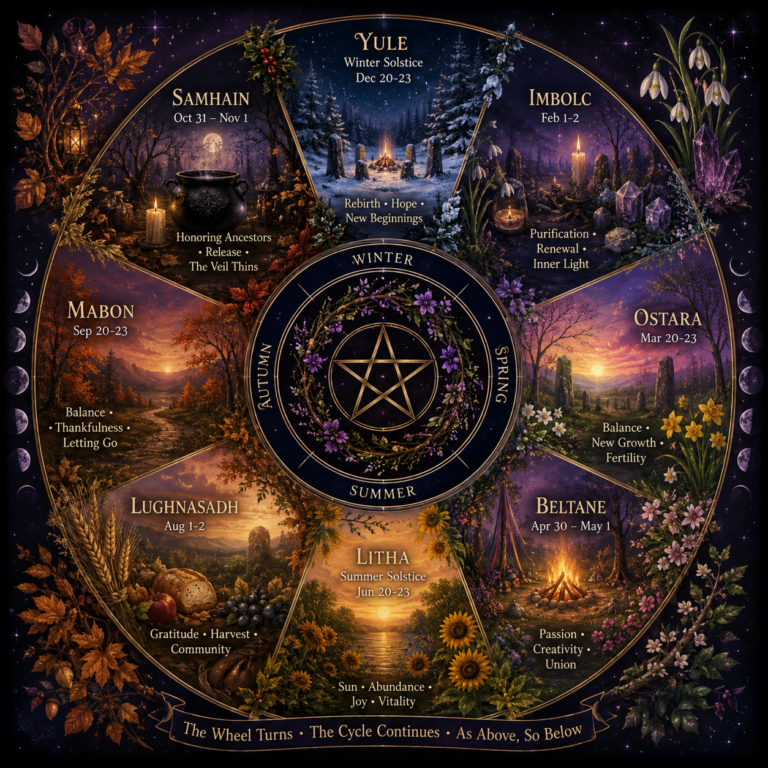
Within many modern Pagan and Wiccan traditions, this connection with nature is celebrated through the Wheel of the Year—a cycle of eight seasonal festivals known as Sabbats.
The Wheel of the Year honors the movement of the sun, the changing landscape, and the lessons each season brings. It invites us to slow down, observe the world around us, and reflect on our own personal journeys.
At Twilight Elements, the Wheel of the Year represents a beautiful reminder that we are connected to the rhythms of nature and that every season offers an opportunity for growth.
What Is the Wheel of the Year?
The Wheel of the Year is a spiritual calendar that follows eight important points throughout the solar year. These celebrations mark the solstices, equinoxes, and the halfway points between them.
The eight Sabbats are:
🌙 Samhain
🔥 Yule
🌱 Imbolc
🌸 Ostara
🌿 Beltane
☀️ Litha
🌾 Lammas (Lughnasadh)
🍂 Mabon
Each Sabbat carries its own symbolism, traditions, and themes for reflection.
While these celebrations have roots in various European folk traditions, modern practitioners often adapt them to create personal practices that feel meaningful.
The Eight Sabbats of the Wheel of the Year
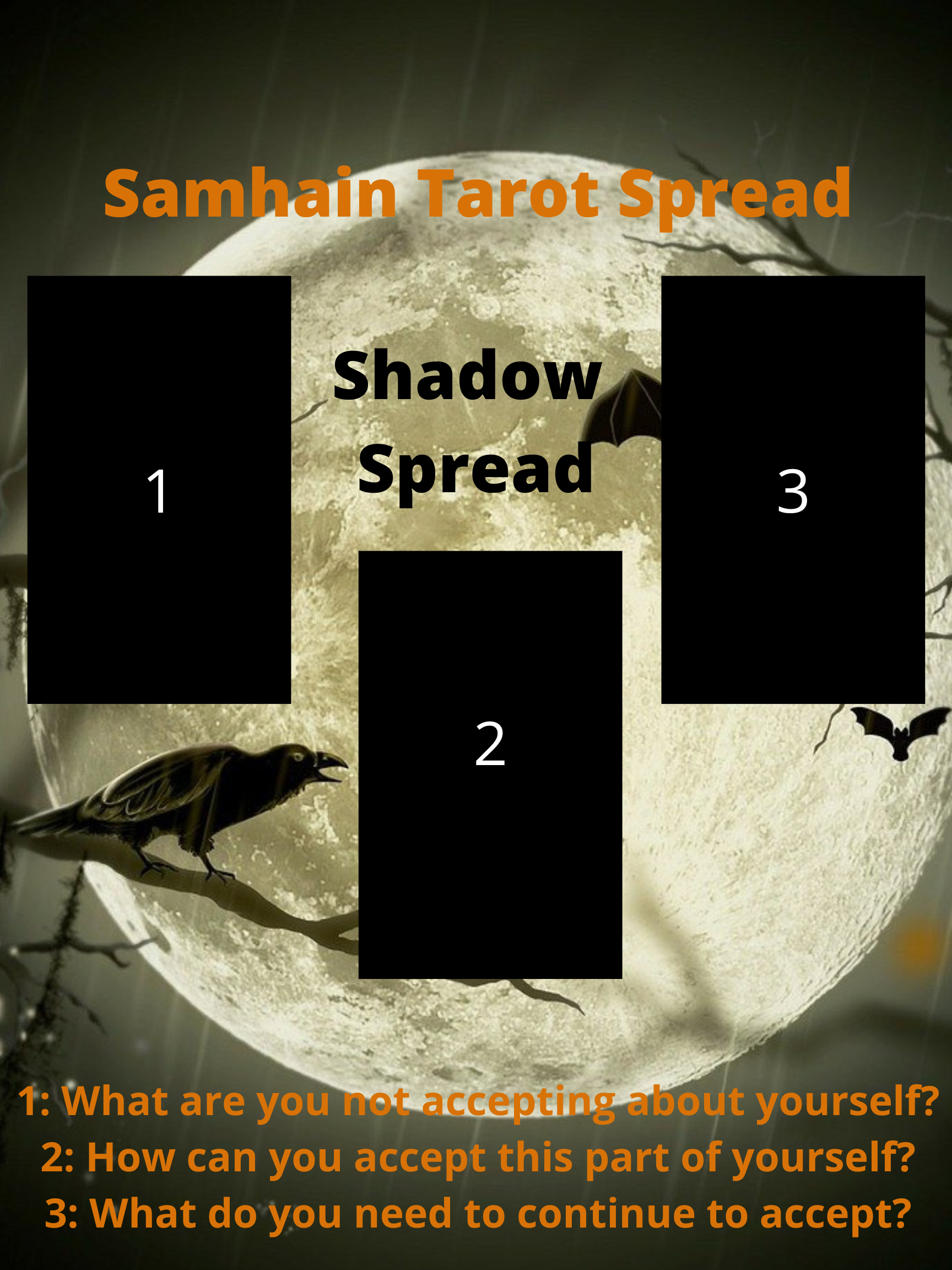
🍂 Samhain — Honoring Transformation and Ancestors
Around October 31
Samhain marks the end of the harvest season and the beginning of winter’s darker months.
Often considered the Pagan New Year, Samhain is a time for reflection, honoring ancestors, releasing what no longer serves us, and embracing transformation.
Themes:
- Reflection
- Ancestral connection
- Release
- Inner wisdom
A Samhain practice might include journaling about the past year, creating an ancestor altar, or reflecting on personal transformation.
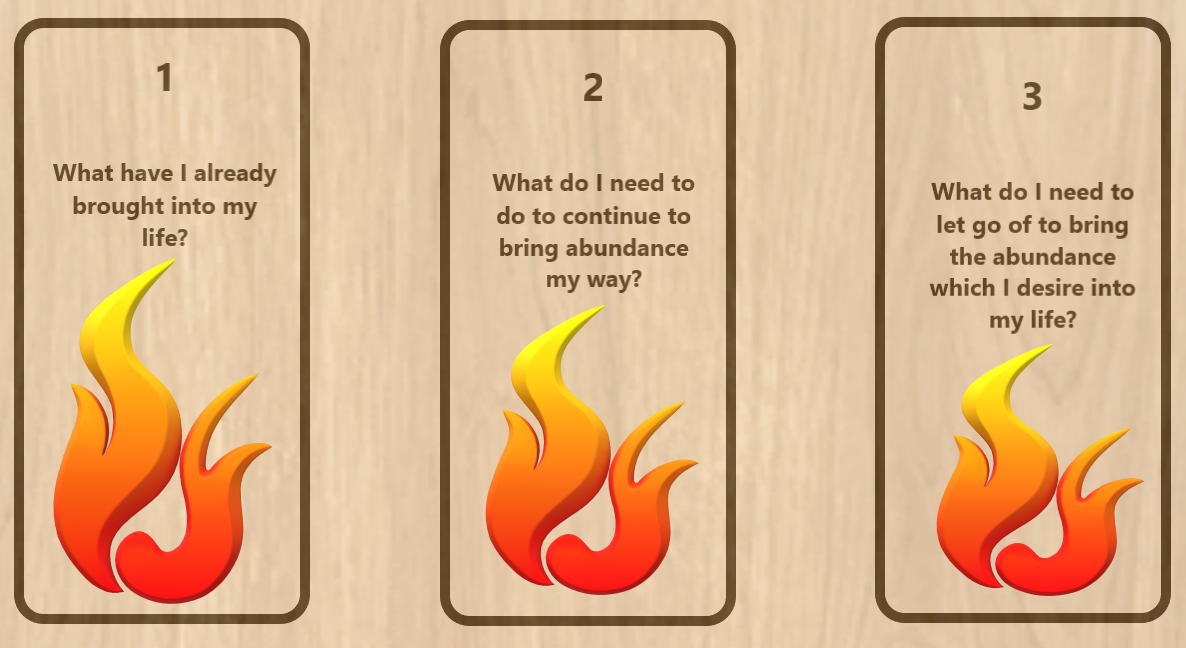
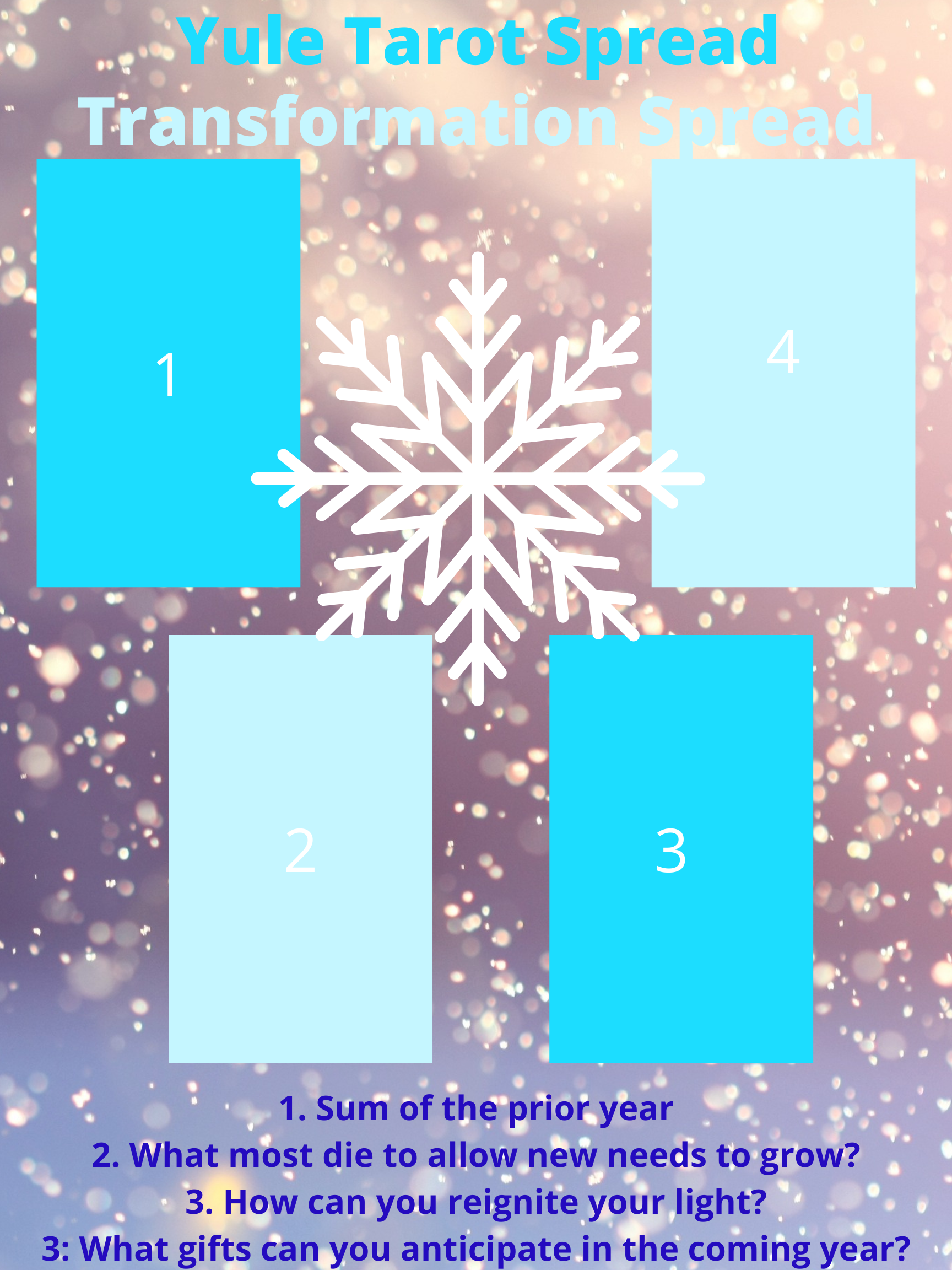
❄️ Yule — Welcoming the Return of Light
Winter Solstice
Yule celebrates the longest night of the year and the gradual return of the sun.
During this time, many practitioners focus on hope, renewal, and finding light during times of darkness.
Themes:
- Renewal
- Hope
- Rest
- New beginnings
Yule reminds us that even in the darkest moments, light always returns.
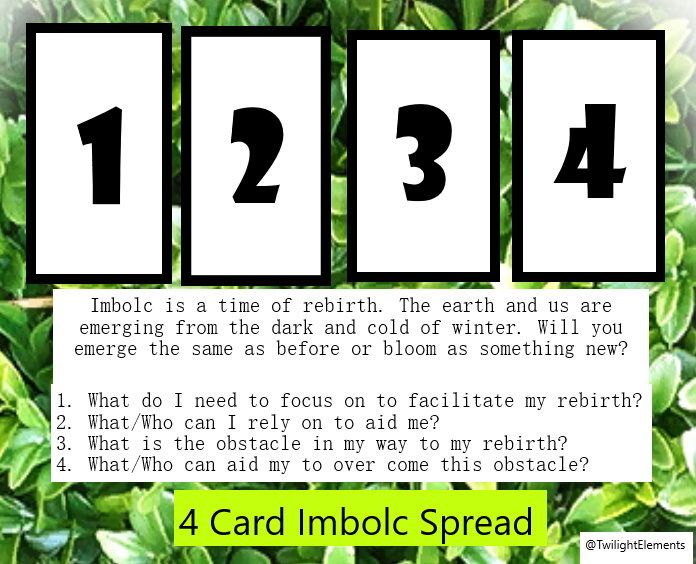
🌱 Imbolc — Awakening Inspiration
Around February 1
Imbolc marks the first signs of spring beginning to awaken.
It is a time associated with inspiration, creativity, purification, and preparing for new growth.
Themes:
- Creativity
- Healing
- Motivation
- Fresh starts
This is a wonderful time to set intentions and begin nurturing new ideas.
🌸 Ostara — Celebrating Balance and Growth
Spring Equinox
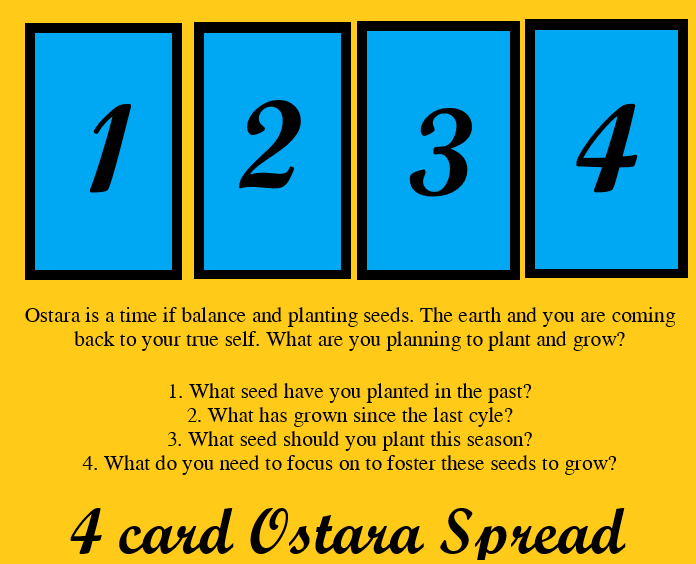
Ostara celebrates the balance between darkness and light as the days become longer.
This season represents fertility, renewal, and new opportunities.
Themes:
- Balance
- Growth
- Renewal
- Possibility
Ostara encourages us to plant seeds—both literally and metaphorically—and nurture what we hope to grow.
🌿 Beltane — Celebrating Passion and Connection
Around May 1
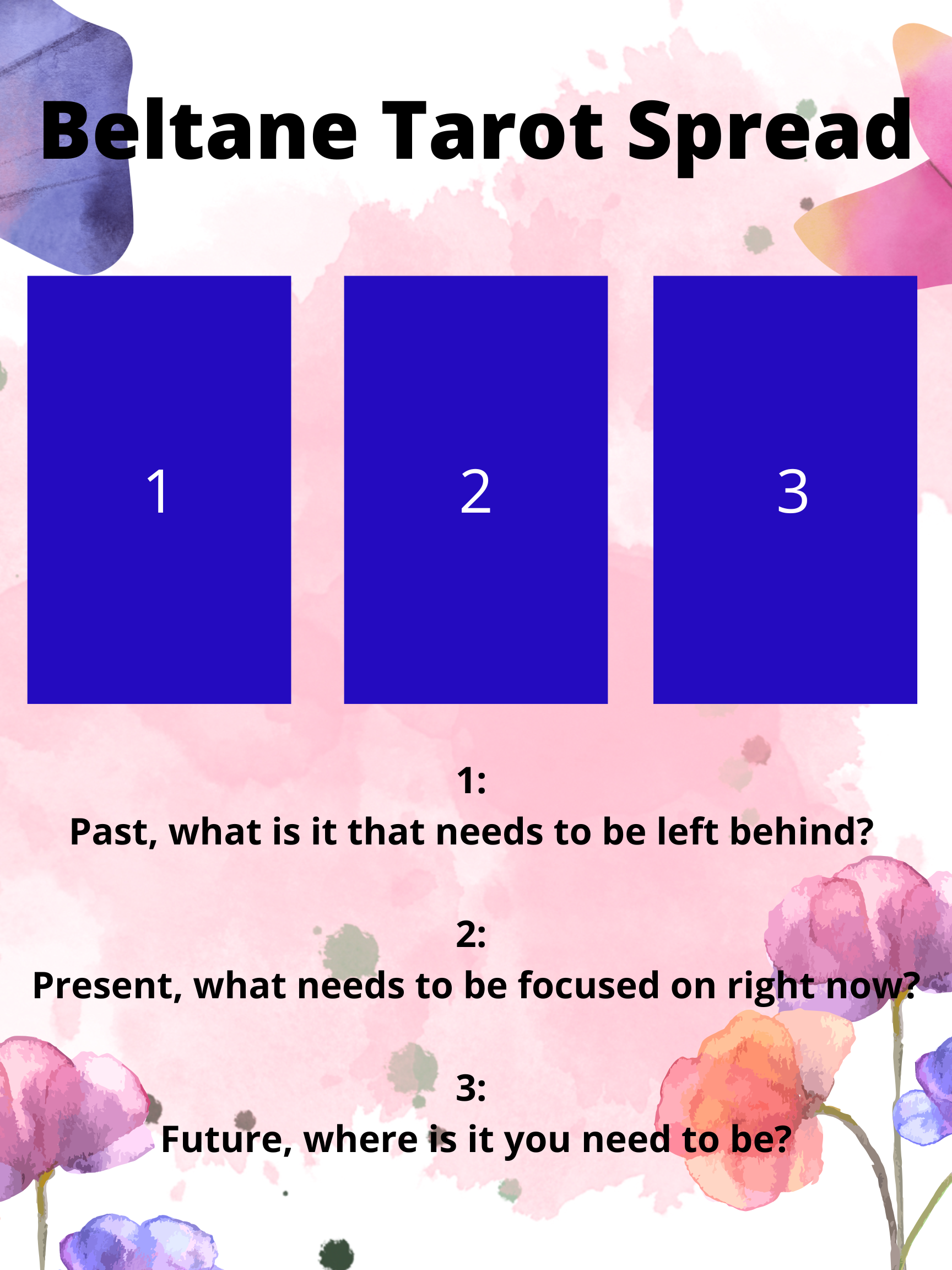
Beltane celebrates life, creativity, passion, and the beauty of connection.
Traditionally associated with fertility and the arrival of summer, Beltane honors the energy of creation and abundance.
Themes:
- Joy
- Creativity
- Love
- Abundance
This is a time to celebrate the things that bring passion and happiness into our lives.
☀️ Litha — Honoring the Power of the Sun
Summer Solstice
Litha celebrates the height of the sun’s energy and the abundance of summer.
It is a time to recognize personal strength, confidence, and the gifts we have cultivated.
Themes:
- Strength
- Confidence
- Gratitude
- Growth
Litha reminds us to appreciate the warmth and abundance surrounding us.
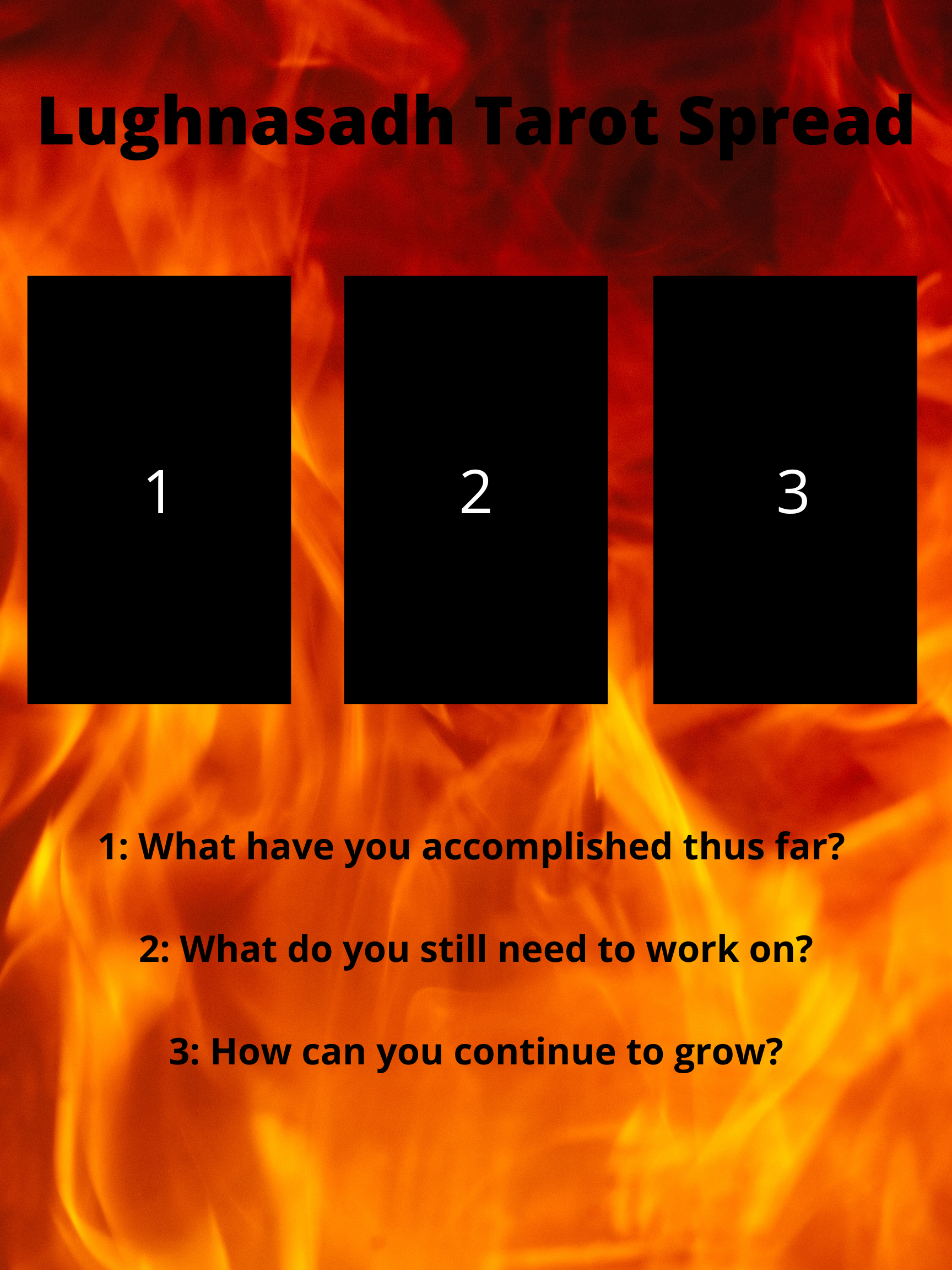
🌾 Lammas — Celebrating the First Harvest
Around August 1
Lammas, also known as Lughnasadh, marks the beginning of the harvest season.
It is a time to recognize effort, achievements, and the rewards of dedication.
Themes:
- Gratitude
- Achievement
- Hard work
- Reflection
This Sabbat reminds us that the seeds we planted earlier in the year require patience and care before they flourish.
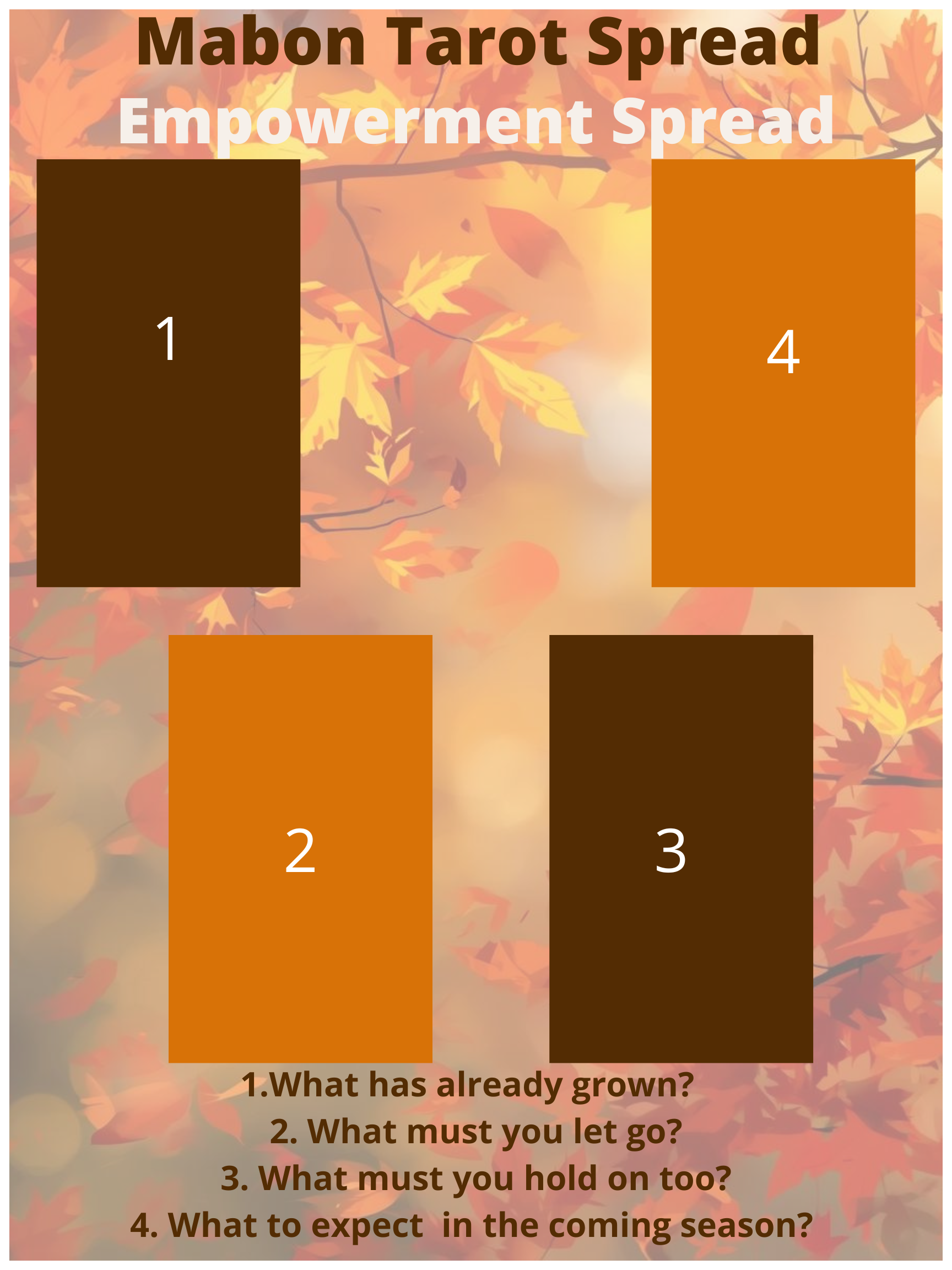
🍁 Mabon — Honoring Balance and Gratitude
Autumn Equinox
Mabon celebrates the second harvest and the balance between light and darkness.
It is a time for gratitude, reflection, and appreciating the blessings in our lives.
Themes:
- Gratitude
- Balance
- Appreciation
- Preparation
Mabon encourages us to pause and recognize how far we have traveled.
Creating Your Own Wheel of the Year Practice
There is no single correct way to celebrate the Wheel of the Year. Your practice can be as simple or elaborate as feels meaningful.
Ideas for honoring the Sabbats:
✨ Create seasonal rituals
📖 Keep a spiritual journal
🌿 Spend time outdoors
🕯 Light candles with intention
🍂 Decorate your altar with seasonal items
🌙 Meditate on each season’s lessons
The purpose is not perfection—the purpose is connection.
The Wheel of the Year and Personal Growth
The greatest lesson of the Wheel of the Year is that everything moves in cycles.
Nature teaches us:
- Growth requires patience.
- Rest is necessary.
- Endings create beginnings.
- Change is part of transformation.
Just as the seasons shift, so do we.
The Wheel of the Year invites us to honor where we are, appreciate where we have been, and embrace where we are going.
Final Reflection
As the Wheel turns, may each season bring you wisdom, inspiration, and a deeper connection with yourself and the world around you.
🌙 Blessed be.